
Lighting Designs to Make Sustainable Buildings
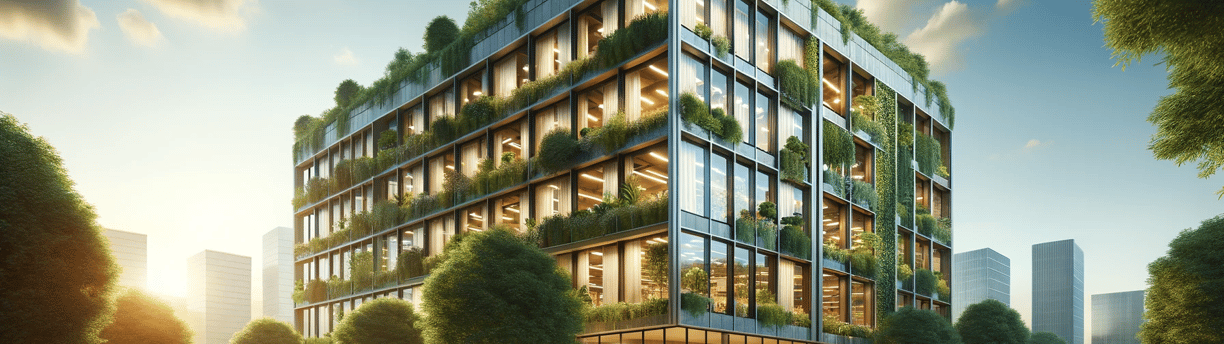
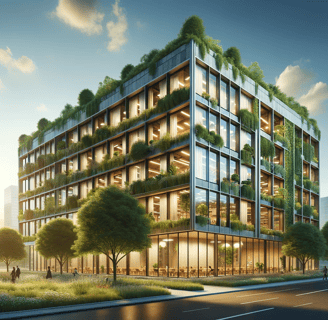
Explore sustainable architecture with this photorealistic image of a modern building, blending large windows for natural light, energy-efficient LEDs, and smart controls, set amidst lush greenery. It's a perfect fusion of eco-friendly design and urban living, highlighting the potential of sustainable lighting in enhancing our environment.
My post content Lighting is an important part of any building, but due to its energy-saving potential, it’s even more important in a sustainable building. But how do sustainable buildings take advantage of lighting?
Lighting in sustainable buildings is designed to lower energy use without compromising the comfort of the people in the building. When we talk about sustainable buildings, lighting takes on a crucial role, not only in reducing energy consumption but also in enhancing the well-being of occupants. This in-depth guide explores the diverse approach of sustainable lighting, outlining its benefits and practical applications in green buildings.
What is Sustainable Lighting?
Sustainable lighting is lighting designed to use the least amount of energy and last the longest time possible without needing replacements. It also doesn’t contribute too much to light pollution and avoids harmful chemicals in light bulbs. It's about designing lighting solutions that consume minimal energy, have a longer lifespan, and are environmentally friendly.
Emphasizing on Low Energy Usage
The main goal of eco-friendly lighting is to cut down on how much energy it uses. This is important for reducing the building's impact on the environment and also helps to lower electricity costs. Inefficient lighting uses more energy and has a larger carbon footprint. For a building to be sustainable, it needs to have a low impact on the environment, and one of the best ways to do that in regard to lighting is keeping it at a minimum.
Reducing Light Pollution
Sustainable lighting also aims to reduce light pollution. It provides just enough light for people to see and feel comfortable, without being too bright or wasteful. This is important for not bothering people nearby and for protecting local wildlife ecosystems around the building.
Using Fewer Chemicals in lighting products
An often overlooked aspect of sustainable lighting is its chemical impact. Sustainable lighting solutions use fewer chemicals, reducing their ecological impact during usage and after disposal.Some examples of harmful chemicals in lightbulbs, such as LED bulbs, are copper, lead, and other heavy metals. These chemicals can be released from the lights over time and be harmful to the people in the building.
When the bulbs burn out and are thrown away, they will continue releasing toxic chemicals into the environment and landfills unless disposed of properly.
Durability and Low Maintenance Lighting
A crucial aspect of eco-friendly lighting is its durability and ease of maintenance. This means choosing lighting options that not only last longer but also require less effort to maintain. Durable lighting options, like advanced LED lights, don't need to be replaced as often as traditional bulbs. This means less spending on new bulbs over time. Reduces Environmental Impact When we use lights that last longer, we reduce waste. Fewer bulb replacements mean fewer bulbs are thrown away, leading to less waste in landfills.
The Role of LED Lights in Sustainable Development Making any type of light bulb uses resources like energy and materials. Modern LED lights are a prime example of durable eco-friendly lighting. Here's how they contribute to sustainable development.
Energy Efficiency
LED lights use less electricity compared to traditional bulbs. This means they help in saving energy, which is a big part of sustainable living.
Low Heat Emission
LED lights don't get as hot as other types of bulbs. This means they're safer to use and can help in keeping indoor spaces cooler, reducing the need for air conditioning.
Versatility
LED lights come in various shapes, sizes, and colors, making them suitable for different needs and spaces. This versatility means they can be used effectively in many places, from homes to offices to streets.
Types of Sustainable Lighting
Sustainable lighting in eco-friendly buildings generally falls into three categories: natural light, energy-efficient bulbs, and automated lighting controls.
Utilizing Natural Light Sunlight is the most energy-efficient and beneficial form of lighting. Properly placed windows and skylights are key in making the most of this natural resource. By strategically positioning windows and using skylights, buildings can maximize daylight, reducing the need for artificial lighting and offering health benefits like improved mood and better sleep patterns.
Energy-Efficient Bulbs
When natural light isn't enough, green buildings turn to energy-saving bulbs
LED Bulbs: These are popular for their low energy usage and long lifespan.
Fluorescent Lights: Common in larger spaces, these bulbs are more efficient than traditional incandescent bulbs.
Smart Lighting Controls Automated lighting systems are crucial in efficiently managing energy use. They include
Motion Sensors: Lights turn on only when presence is detected, conserving energy.
Timers: Especially useful for outdoor lighting, timers ensure lights are on only when needed.
Strategic Window Design
North-facing windows: Provide consistent daylight with minimal direct sunlight, ideal for temperate climates.
South-facing windows: Effective for winter sun, but require shading solutions for summer months.
East and West-facing windows: Offer morning and evening light but can lead to thermal gain during hot periods.
Choosing the Right Light Bulbs
When natural light isn't enough, choosing the right kind of sustainable bulb is crucial. You need lighting during the night and some rooms, particularly in the middle of a building, can’t get lighting from the outside.These include fluorescents for their longevity, LEDs for their energy efficiency and low heat emission, and HID lights for areas requiring intense illumination.
There are three main types of sustainable lightbulbs, all of which have their benefits
Fluorescent lights: Fluorescent lights are a good option if you want something that uses less energy than traditional incandescent bulbs but still produces the same amount of light. A huge benefit of these lights is that they last up to ten times longer than traditional ones. There are large, long fluorescent lightbulbs for office and commercial buildings and compact ones for homes.
Light emitting diode (LED) lights: LED lights are the most common type of sustainable lighting. They only use one-fourth the amount of energy as incandescent lighting and release almost no heat when they are lit. They last 25 times longer than incandescent lights, so building designers often pick them over fluorescent lights.
High-intensity discharge (HID) lights: Finally, HID lights are the most efficient type of sustainable lights—they can save up to 90% of the energy used by traditional incandescent lights. They produce intense amounts of light, but they also take ten minutes to be fully on. HID lights are best for places that stay lit for prolonged periods.
These are all good types of lights that you can implement in a sustainable building. However, HID lights don’t work as well with sustainable lighting controls as they wouldn’t turn on fast enough to work effectively with the rest of the system.
Smart Lighting Controls
Modern sustainable lighting often includes automated systems like motion sensors, which help conserve energy by ensuring lights are only on when needed.
Summary
Sustainable lighting is a key component in the design of eco-friendly buildings, balancing energy efficiency, occupant comfort, and environmental responsibility. By integrating natural light, energy-efficient bulbs like LEDs and fluorescents, and smart lighting controls, we can significantly reduce energy consumption and environmental impact. This approach not only contributes to a greener planet but also promotes a healthier living and working environment.